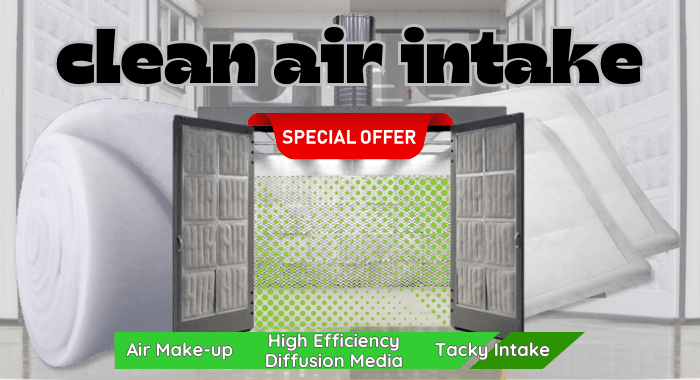
Regularly replacing your filters maintains proper static pressure, keeps your paint finishes pristine, and ensures environmental compliance. Below are the definitive technical procedures for replacing your exhaust and intake filters.
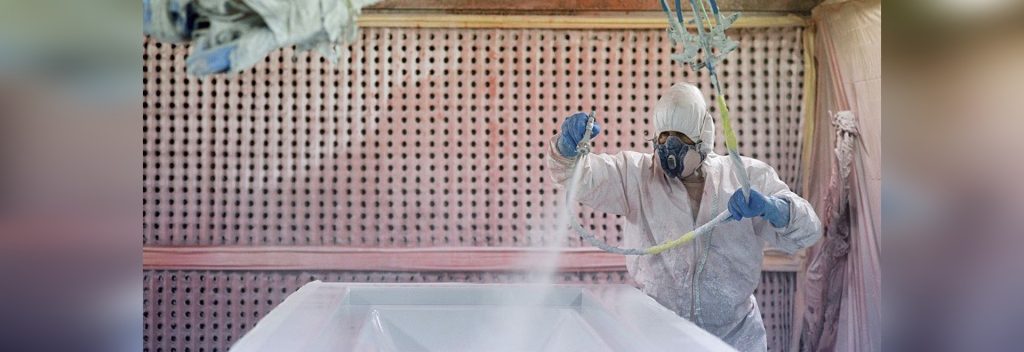
Section 1: Replacing Exhaust Filters & Grid Alignment
The exhaust filter system relies on a perfect seal across the holding grids to prevent sticky overspray from bypassing the media and accumulating on your exhaust fan blades.
Step 1: Safe Shutdown & Preparation
Power Off the System: Shut down all exhaust fans and Air Make-Up Units (AMUs). Wait until the fans come to a complete stop.
PPE Requirements: Wear appropriate personal protective equipment, including a dust mask or respirator, safety glasses, and gloves.
Step 2: Removing the Loaded Media
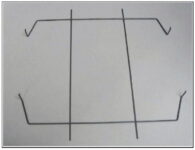
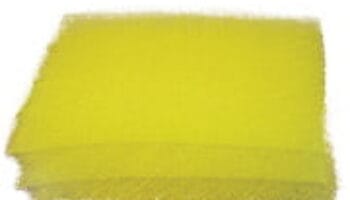
Clear the Retaining Hardware: Depending on your grid style, release the wire holding clips or swing open the retention bars holding the exhaust pads or roll in place.
Roll or Pack Carefully: Carefully remove the loaded filters to prevent shaking loose dried overspray into the exhaust plenum.
Specialized Coating Disposal: If you have been spraying volatile chemistry such as nitrocellulose lacquers, immediately submerge the dry, loaded filters in a water-filled container to eliminate spontaneous combustion hazards. Move them to a dedicated outdoor disposal bin.
Step 3: Grid Inspection & Realignment
Before installing the fresh media, verify that the framework is structurally square and sound:
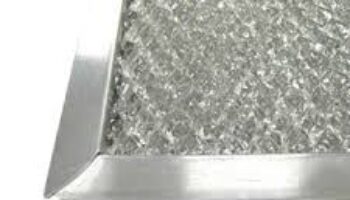
Check Module Alignment: Inspect the structural exhaust grid framework. If individual modules have shifted out of square due to heavy impact or loose fasteners, realign them so the grid seals flat against the booth walls and floor.
Scrape the Tracks: Use a non-sparking scraper to remove any hardened overspray buildup from the filter tracks or holding frames. A smooth surface is critical for a flush, airtight filter seal.
Step 4: Installing the New Media
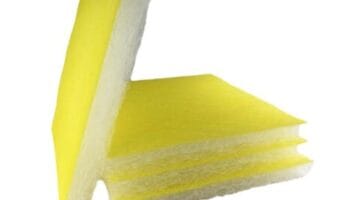
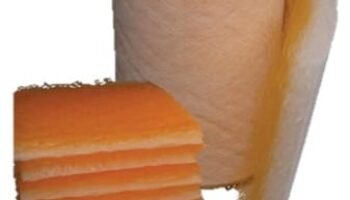
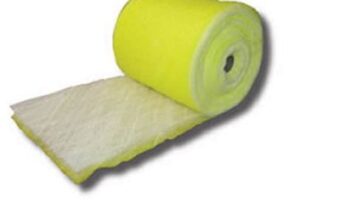
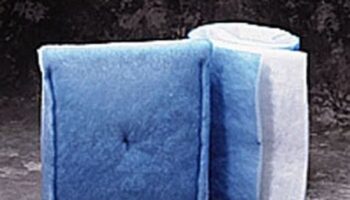
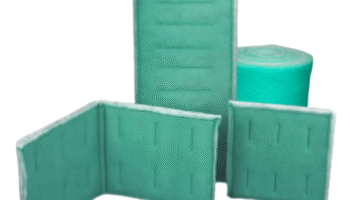
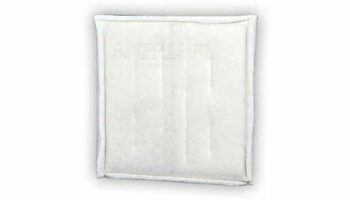
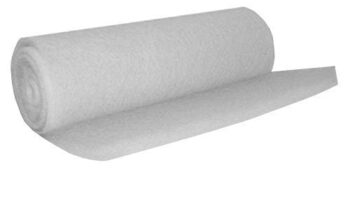
Orient the Airflow: Identify the correct airflow direction of your new exhaust pads or roll (often indicated by a color change, such as green skin facing the booth cabin and white facing the exhaust plenum).
Lock It In: Roll out the media or drop the individual pads into the frames. Re-engage the wire clips or retention bars, ensuring the media is held taut.
Verify Zero-Bypass: Ensure there are absolutely zero gaps along the edges, tracks, or between individual pads. Even a tiny gap allows significant overspray to escape into the fan shroud.


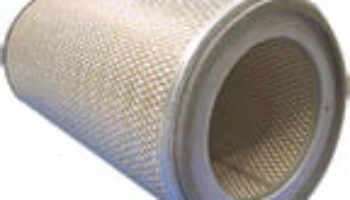
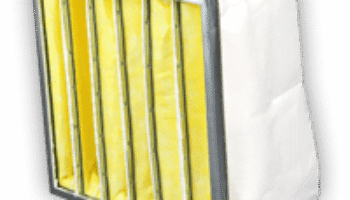
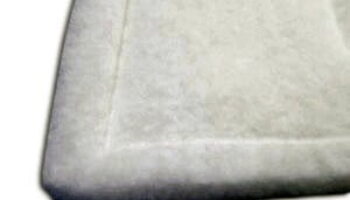
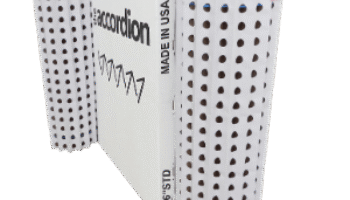

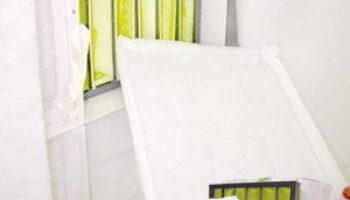


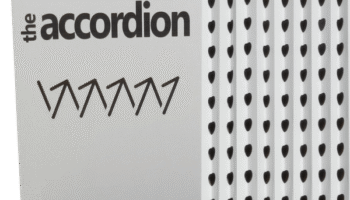
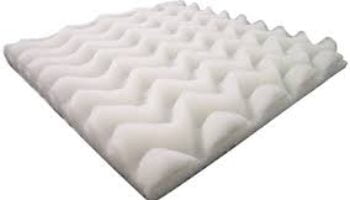
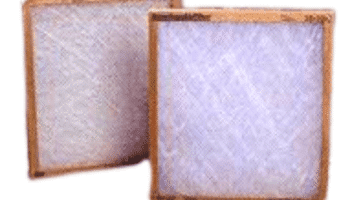
Section 2: Replacing Intake Filters (Pressurized vs. Non-Pressurized)
Intake filters clean the incoming air supply before it reaches the vehicle or part you are coating. The installation method varies depending on whether your booth pulls air naturally or forces it mechanically.
Configuration A: Non-Pressurized (Crossdraft / Open-Front)
Non-pressurized booths rely entirely on the exhaust fan pulling air through the intake filters into the cabin.
Access the Filter Face: These filters are typically located in the main entry doors or a front bulkhead wall.
Remove and Clean: Slide the old filters out of their tracks. Use a lint-free damp cloth to wipe down the internal frame channels to remove trapped dust.
Install Tacky Side Out/In: High-efficiency intake filters often feature a tacky migrator coating on one side to trap ultra-fine dust. Always install the filter with the tacky side facing inside the booth cabin (downstream) to capture any migrating loose fibers before they hit your paint job.
Verify Gasket Seal: Ensure the filter fits snugly within the track framework so no unfiltered shop air can sneak around the perimeter.
Configuration B: Pressurized (Downdraft / Side-Downdraft)
Pressurized booths utilize an internal Air Make-Up Unit (AMU) or intake fan assembly to actively force air into an upper intake plenum, pushing it downward through the ceiling filters.
Isolate the Ceiling Plenum: Ensure the AMU blower is completely locked out so you are not fighting downward air pressure or moving machinery.
Release Ceiling Grids: Working from inside the booth cabin, lower the hinged ceiling filter access grids.
Remove Cleanly: Lift the old intake diffusion blankets or framed pads out of the upper plenum shelf. Take care not to let settled dust on the dirty side fall down into the clean paint cabin.
Inspect the Seals: Check the condition of the rubber or foam perimeter gaskets along the ceiling plenum framework. Replace any dry-rotted or compressed gaskets that could allow unfiltered air bypass.
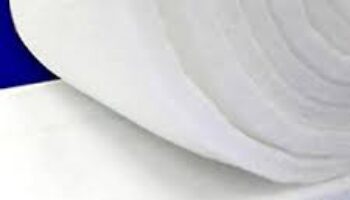
Install Diffusion Blankets: Lay down the new ceiling filters. If using a continuous diffusion blanket, ensure it lies perfectly flat on the support grid without wrinkles or bunches.
Latch and Lock: Swing the metal ceiling grids back up into place and secure the heavy-duty latches tightly, compressing the filter media evenly against the plenum frame for an airtight seal.