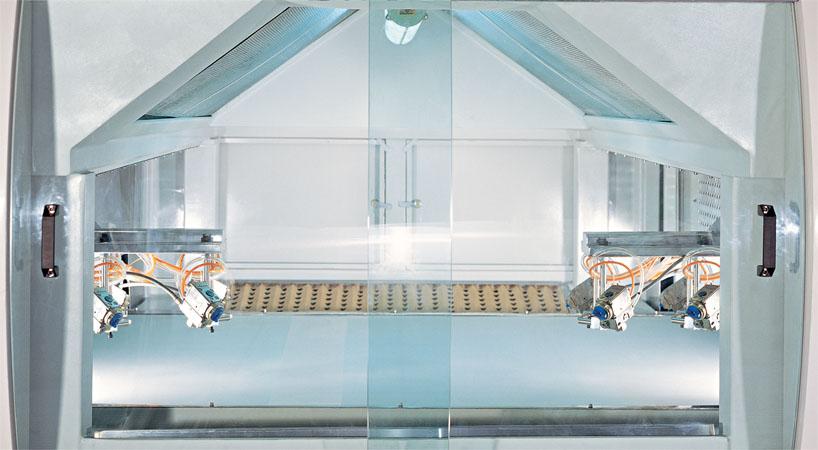
Flat line spray finishing machines are indispensable in high-volume manufacturing for applying uniform coatings to substrates like metal panels, wood composites, or automotive components. However, particulate contamination remains a pervasive threat to finish quality. Implementing robust filtration protocols directly impacts film integrity and operational efficiency.
Optimizing filtration efficiency for flat line finishing systems necessitates precise dimensional compatibility between exhaust filters and frames. Standard solutions often involve filter modifications: operators must either physically cut commercially available filters or commission custom-manufactured units. This dimensional calibration constitutes a critical preparatory phase for maximizing overspray particulate capture efficiency.
Filter Media Selection
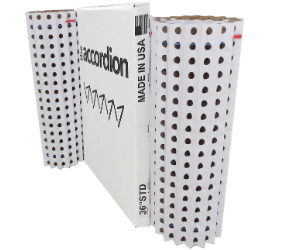
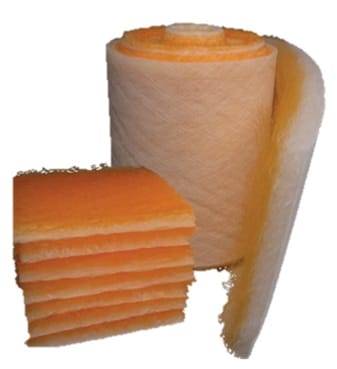
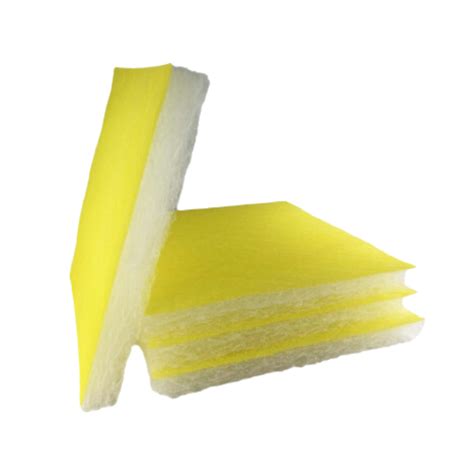
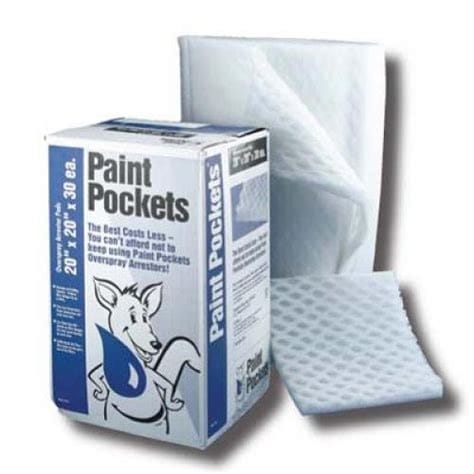
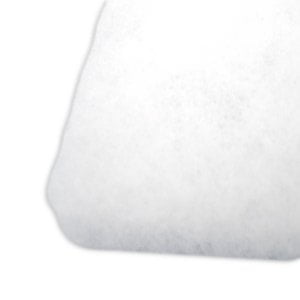
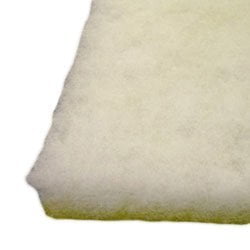
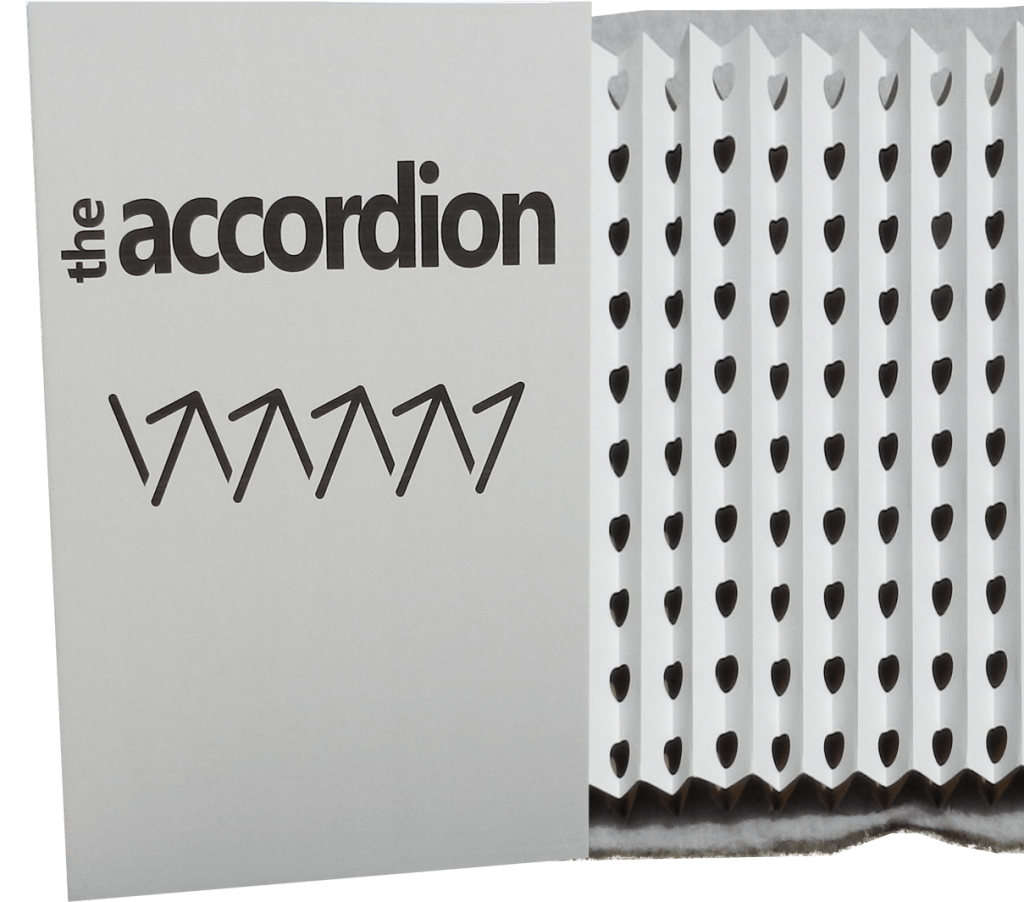
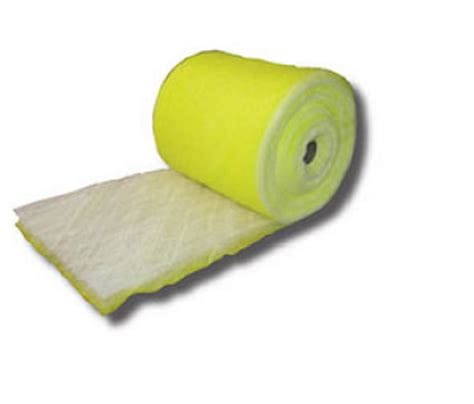
Filter media selection follows application-specific thermodynamic and fluid dynamic principles: – Polyester: Optimal for moderate-temperature environments (<120°C) due to thermoplastic stability – Fiberglass: Required for high-temperature operations (>230°C) leveraging inorganic fiber resilience – Expanded paper: Provides electrostatic enhancement for submicron particulate agglomeration – Accordion paperboard: Increase surface area by 300-400% via Bernoulli’s principle, reducing velocity-driven particle bounce
Selection parameters must align with Stokes’ law calculations for particle settling velocities and the Reynolds number of airflow patterns. Capture efficiency (η) follows the relationship η ∝ (1 – e k·A/v), where A = effective filtration area, v = face velocity, and k = media-specific capture coefficient. Thus, media choice directly governs the exponential decay of particulate transmission.
Source: *Aerosol Technology* (Hinds, 1999), Chapters 9 & 12; *Filtration of Particles from Gases* (Davies, 1973).
Ignoring filtration transforms spray systems into defect generators. Strategic investment in filtration cuts waste, elevates quality consistency, and extends hardware service life.