✨Ask Us About Our September Skid Special on The Accordion Paint Baffle – Stock Up & Save!✨
Booth Airflow Diagnostics & Troubleshooting
An optimal finishing environment relies on precise air velocity and balanced static pressure. When air management breaks down, overspray drifts, finish quality plummets, and flammable vapors can quickly reach hazardous concentrations.
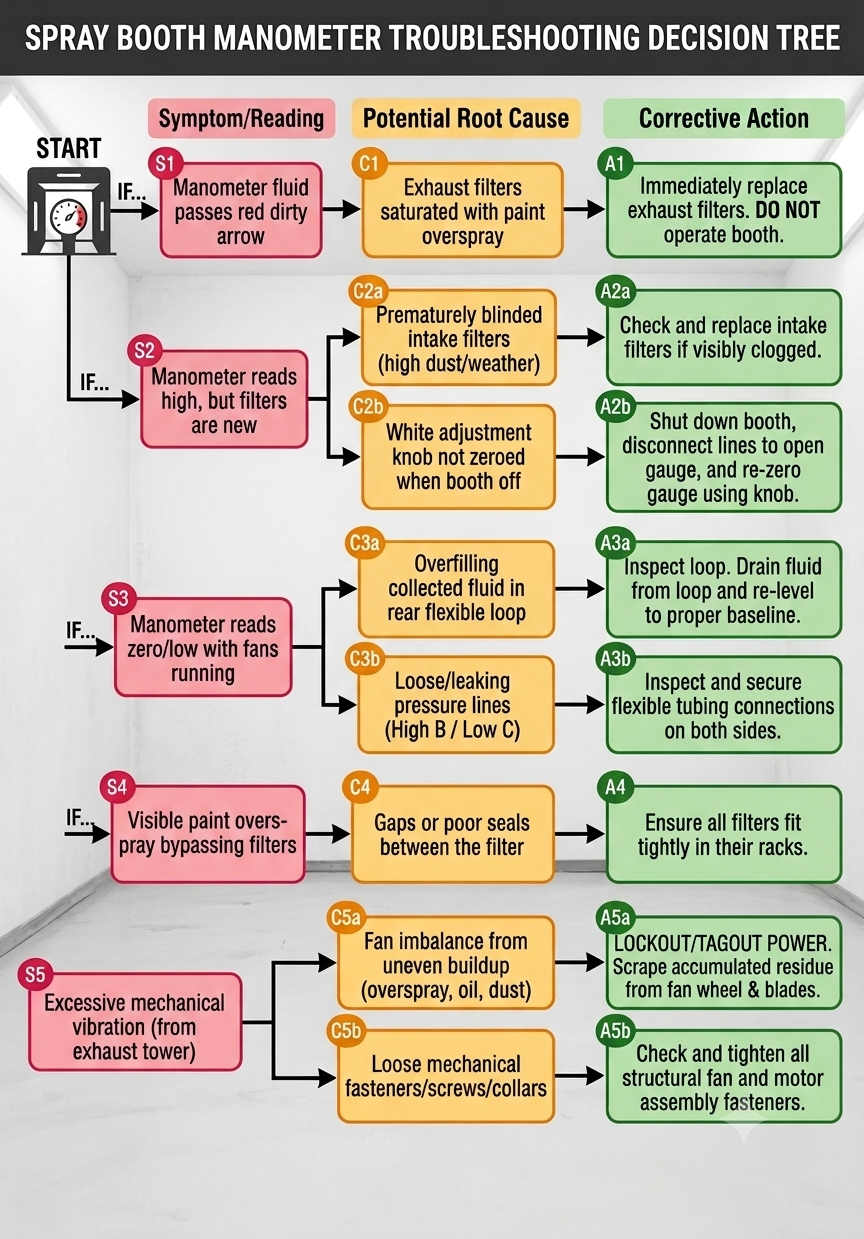
If your booth feels “heavy” (the air feels thick or stagnant and you notice overspray hangs in the air), or your manometer indicates a draft issue, use this universal troubleshooting guide to diagnose and resolve the failure.
The Golden Rules of Airflow Management
The “golden rules” of airflow management revolve around controlling velocity, direction, balance, and filtration to ensure a clean, safe, and efficient environment.
1. Maintain the Velocity (100 fpm): The industry standard for effective overspray clearance in a conventional crossdraft or downdraft booth is 100 Feet Per Minute (FPM) across the empty cross-section of the booth.
Why it matters: If the air moves too slowly (under 80 FPM), overspray hangs in the air, settling back onto the wet paint job or clouding the painter’s vision. If it moves too fast (over 120–130 FPM), it creates turbulence, lifting dust off the floor and whipping it into the finish.
Electrostatic exception: If you are using electrostatic spray equipment, the minimum required velocity drops to 60 FPM because the paint particles are magnetically drawn to the target, reducing mechanical overspray.
2. Keep air flowing away from the painter: Air should always travel from the painter’s back, across the part being sprayed, and directly into the exhaust filters. The painter must never stand between the spray gun and the exhaust plenum.
In a Crossdraft: The painter should work from the exhaust side back toward the intake side, ensuring that overspray from the gun is instantly pulled away into the filters rather than drifting over finished panels or the operator.
In a Downdraft: Air moves vertically from ceiling to floor. This is inherently the safest configuration, as overspray is pulled immediately downward, keeping the painter’s breathing zone entirely clear.
3. Achieve a slight negative (or perfect) static pressure: A well-managed booth relies on balancing the Intake Air Volume (CFMin) and the Exhaust Air Volume (CFMout). The golden rule is to aim for a slightly negative pressure (around -0.05 inches of water column) or a perfectly neutral balance.
Slightly Negative: Prevents toxic overspray and solvent vapors from escaping through door seals or gaps into the rest of the shop.
Too Negative: If the exhaust fan is pulling drastically harder than the intake can supply, the booth turns into a vacuum. The moment a door is cracked open, dirty shop air is violently sucked in, ruining the paint job with dust.
4. Eliminate turbulence and “dead zones”: Air is lazy; it takes the path of least resistance. Good airflow management ensures air moves in a uniform, laminar (linear) sheet rather than spinning in turbulent eddies.
Dead Zones: Corners, areas behind large vehicle parts, or spaces right next to wide intake grates can suffer from zero air movement. Vapors pocket here, creating a flash-fire hazard and allowing overspray to settle.
Eddies: High velocity at the center of the booth can create low-pressure pockets on the sides, causing air to swirl backward. Proper placement of baffles and balanced filter loading keeps the air moving in a single, clean direction.
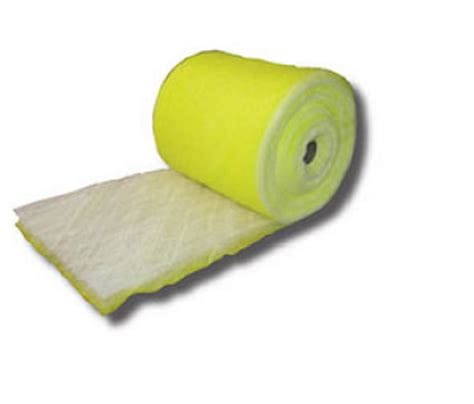
5. Ensure uniform filtration loading: Your airflow is only as good as your filters, and airflow changes dynamically as filters load up with paint particulate.
Intake Filters: Must distribute air evenly across the ceiling or wall. Torn or improperly seated intake filters create high-velocity “jets” of air that disrupt the spray pattern.
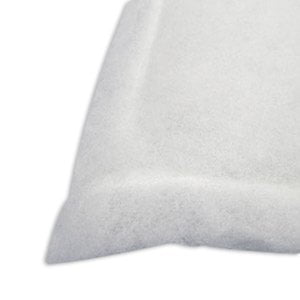
Exhaust Filters: As exhaust filters trap overspray, resistance (static pressure) increases, which slows down your fan’s effective FPM. The golden rule here is differential pressure monitoring. Filters must be changed when the pressure drop across them exceeds the manufacturer’s design limit (typically around 0.5 inches of water column), otherwise, airflow velocity plummets below safe margins.
6. Directional Airflow Orientation: When installing replacement exhaust filters, always verify the directional orientation. Ensure the dense, air-leaving side faces toward the interior of the exhaust chamber, and the air-entering side faces the painter.
7. Perform regular maintenance: inspect and change filters as needed (refer to the manometer for indication of reduced airflow).
The Nitrocellulose Exception: If you are spraying coatings that contain nitrocellulose, standard replacement intervals do not apply. You must clean all residue from the exhaust diffuser components and change all exhaust filters at least once a day to eliminate the risk of spontaneous combustion.
🛠️ Featured Shop Essentials
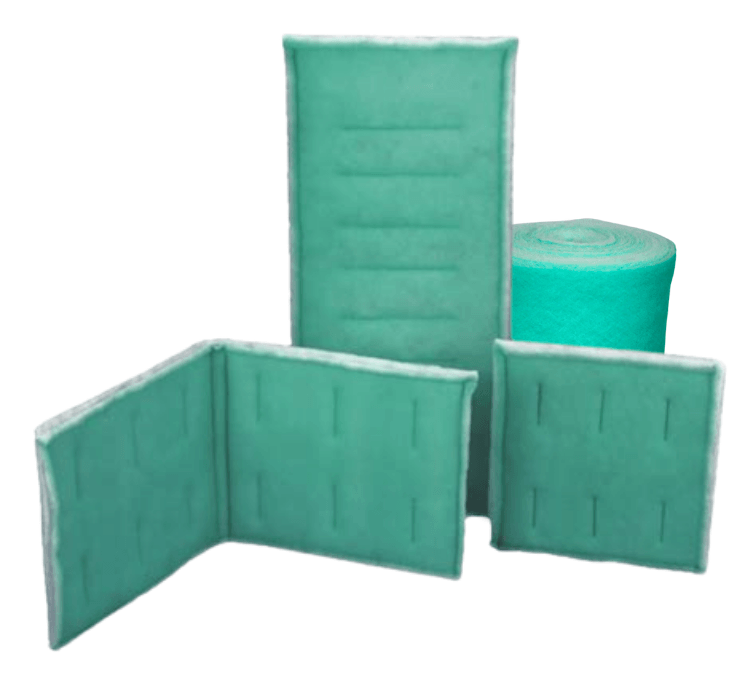
Re-stabilize your airflow velocity with these commercial finishing components:
Product Description
Product Name
Ships Free
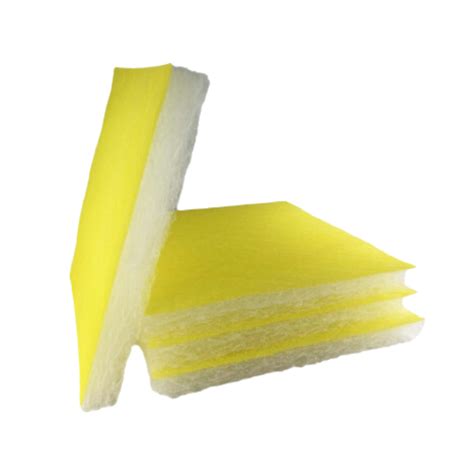
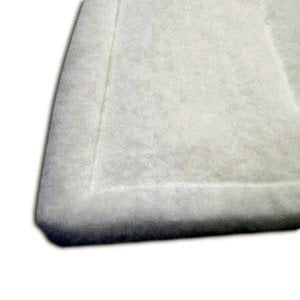
High Capacity Exhaust Media
Wave Filter Pads
$182.00–$204.00Price range: $182.00 through $204.00Select options
This product has multiple variants. The options may be chosen on the product page
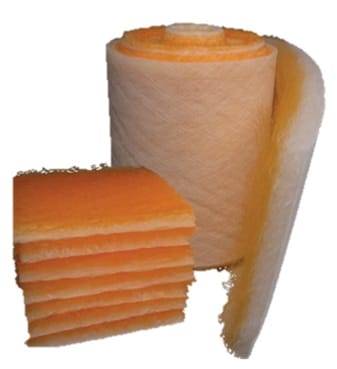
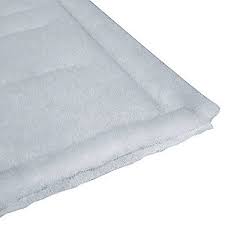
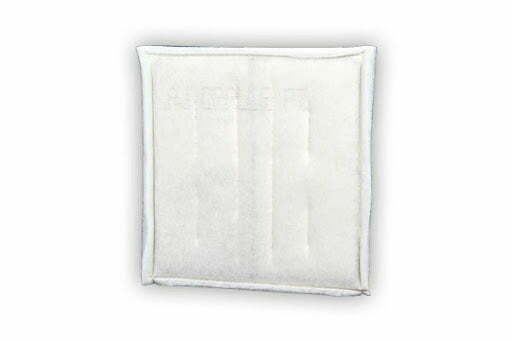
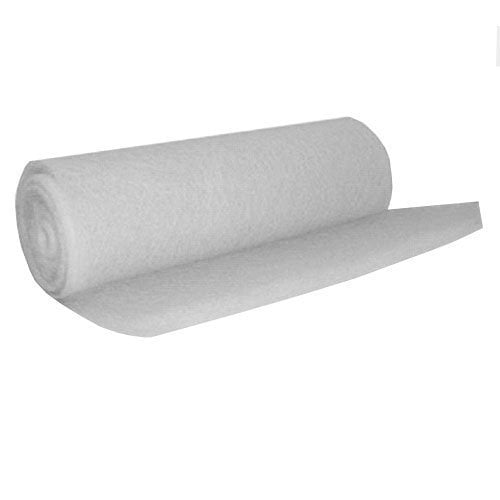
Tacky Intake Filter Pads & Media Rolls
GFS Tacky Intake Filters
$269.00–$765.00Price range: $269.00 through $765.00Select options
This product has multiple variants. The options may be chosen on the product page