✨ Premium Quality, Lower Price: Get 10% Off AFC Products – No Coupon Needed! ✨
Reading Your Manometer & Checking Draft Pressure
Your spray booth’s manometer is not just a decoration—it is a critical mechanical pressure gauge that protects your finish, monitors your airflow velocity, and warns you before fan motors burn out.
How Your Manometer Operates
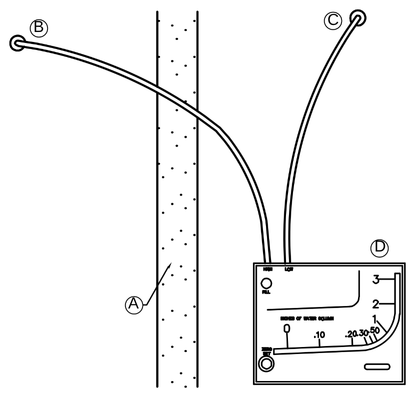
A differential manometer measures the precise air pressure variance between the air entering the booth cabin and the air exiting past your exhaust filter bank.
High-Pressure Line (Line B): Connects to the open booth side of the filters.
Low-Pressure Line (Line C): Connects to the exhaust chamber side of the filters.
The Daily 4-Step Operational Check
Run through this quick check every morning before you start spraying to ensure safe booth pressure and accurate filter tracking.
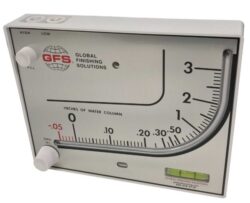
Step 1: Check the Static State With the booth completely powered off, take a quick look at the manometer. The red fluid should rest exactly at the 0.00″ w.c. mark. If the fluid is resting above or below zero, stop and follow the Zero-Pressure Alignment instructions below before running the booth.
Step 2: Power Up & Establish Airflow Turn on your exhaust fans and Air Make-Up Unit (AMU). Let the system run for 30 to 60 seconds to allow the cabin pressure to fully stabilize.
Step 3: Verify the Reading Against Your Flags Check where the red fluid line settles relative to your target pointer flags:
Near the Green/Lower Flag: Your filters are clean and airflow is optimal.
Approaching the Red/Upper Flag (Typically 0.50″ w.c.): Your exhaust filters are loading up and loading capacity is nearing its limit. Schedule a filter change-out soon.
Step 4: Inspect the Lines & Fluid Do a quick visual scan of the plastic pressure tubing for any heavy overspray buildup, kinks, or visible fluid loss in the reservoir.
A properly calibrated manometer is your first line of defense in maintaining safe, balanced airflow and maximizing filter life within your spray booth. This guide provides step-by-step instructions for inspecting, maintaining, and zeroing your Mark II inclined manometer.
Step 1: Visual Inspection & Housing Maintenance
Before adjusting the gauge, ensure the physical assembly is clean and structurally sound:
Check the Fluid Level: Verify that the red gauge fluid is sufficient and clearly visible in the reservoir. If the fluid level is low, it must be topped off before attempting calibration.
Inspect the Tubing: Examine the plastic pressure lines running from the booth plenum to the manometer. Look for kinks, cracks, or clogs caused by overspray or debris. Replace any damaged tubing immediately.
Clean the Exterior: Wipe down the exterior faceplate of the manometer with a damp, lint-free cloth to remove any overspray or dust that might obscure the scale or block the vent holes.
Step 2: Zero-Pressure Alignment (Calibration)
To get an accurate reading of the static pressure across your filters, the manometer must be zeroed while the spray booth is completely powered off.
Shut Down the Booth: Ensure the exhaust fans and Air Make-Up Unit (AMU) are completely turned off. Wait for the fan blades to come to a total stop so there is zero airflow or static pressure in the booth.
Vent the Tubing: Disconnect the plastic pressure tubing from the top of the manometer to ensure both sides of the gauge are vented to the exact same atmospheric pressure.
Locate the Zero Adjust Knob: Find the black thumb screw/knob located at the bottom of the manometer housing.
Align the Fluid Meniscus: Turn the adjust knob slowly left or right. Watch the red fluid column move along the scale until the bottom of the fluid’s curved surface (the meniscus) aligns perfectly with the 0.00″ w.c. (Inches Water Column) mark.
Reconnect the Tubing: Once zeroed, firmly press the plastic pressure tubing back onto the manometer’s molded connectors.
Step 3: Verifying Operational Readings
With the calibration complete, test the system under normal operating conditions:
Turn the Booth On: Start the spray booth fans with clean filters installed.
Establish Baseline Pressure: Note the new reading on the manometer. For a booth with brand new filters, this baseline static pressure typically reads between 0.15″ and 0.25″ w.c. (refer to your specific booth model’s drawings for the exact baseline pressure).
Mark Your Limits: Use the adjustable red pointer flags on the manometer casing to mark your baseline (clean filter) start point and your target change-out pressure limit (typically 0.50″ w.c. or as specified by the filter manufacturer).
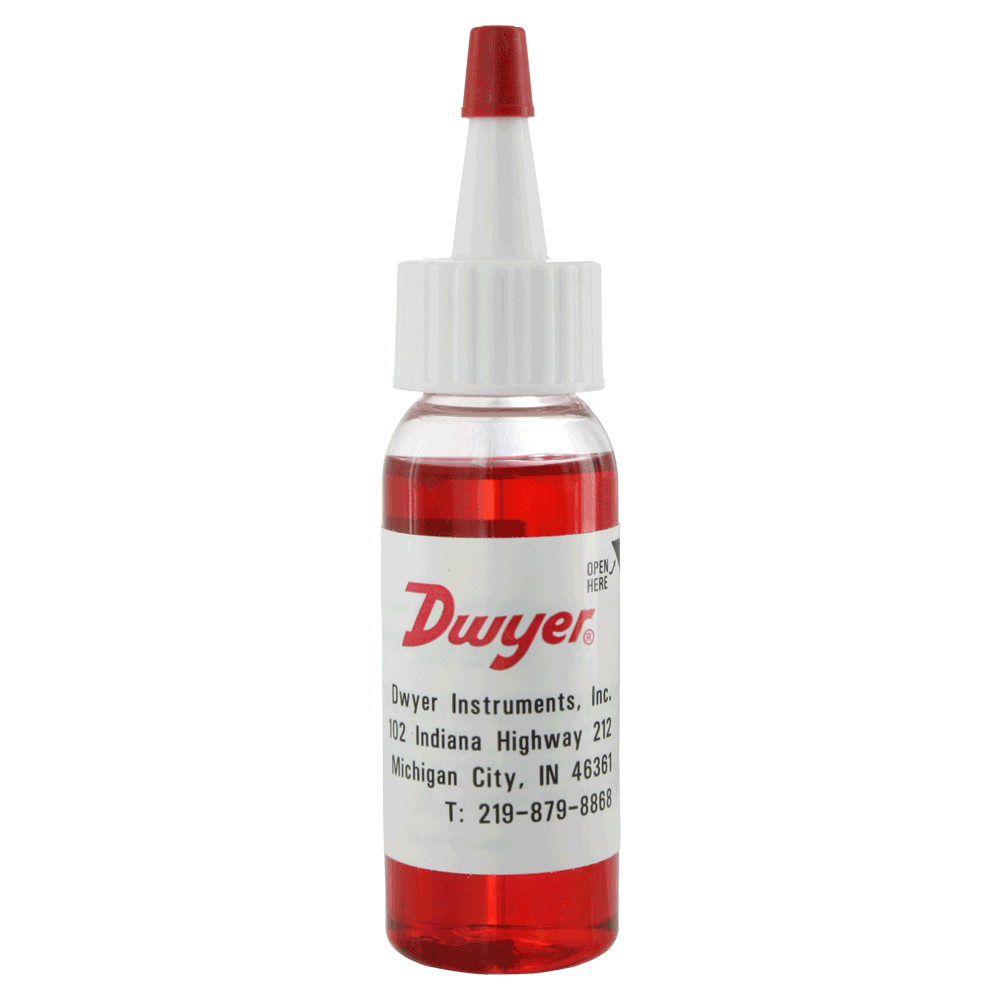
⚠️ CRITICAL SAFETY NOTE Never use standard water or substitute fluids in the manometer. The gauge is precision-calibrated strictly for use with specific red gauge fluid (0.826 specific gravity). Using any other fluid will result in inaccurate readings, unsafe booth pressures, and premature or delayed filter change-outs.
The Danger of Ignoring the Gauge
Operating your spray system when the manometer signals an overloaded filter restricts air velocity, increases flammable vapors inside the cabin, and strains fan bearings. Change your exhaust media immediately when indicated by the gauge.
🛠️ Featured Shop Essentials
Maintain accurate pressure readings and protect your air draft:
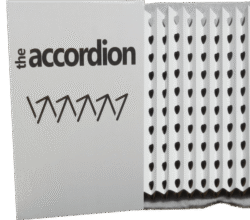
Compare Binks, Andreae, Chemco and Compleat accordion style high efficiency filters to The Accordion, the only American made accordion overspray collector. 10+ boxes ship free!
$61.00–$69.00Price range: $61.00 through $69.00
Select options
This product has multiple variants. The options may be chosen on the product page
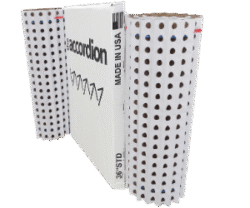
Compare to Binks, Andreae, Chemco and Compleat accordion style, single stage filters. The Accordion is the better baffle for overspray collection. 10+ boxes ship free!
$56.00–$65.00Price range: $56.00 through $65.00
Select options
This product has multiple variants. The options may be chosen on the product page
The King Series Premium Media fiber structure and tri-layer design provide an extremely efficient and long lasting media, creating an ideal painting environment with all paint types, including waterborne.
FREE Shipping – Best Way Ground (Continental USA)
$287.62–$1,512.28Price range: $287.62 through $1,512.28
Select options
This product has multiple variants. The options may be chosen on the product page