Exceptional visibility is non-negotiable for achieving precise color matching and identifying minor surface defects. Over time, overspray accumulation and natural bulb degradation will reduce your booth’s lux levels. This guide details how to check light output, safely replace bulbs, and maintain your protective glass lenses.
Monitoring Individual Fixture Output
Don’t wait for a bulb to completely burn out before replacing it. As light fixtures age or gather fine dust, their color rendering index (CRI) and lumen output drop, causing shadows and inconsistent color matching.
The Visual Check: During your regular maintenance window, inspect each fixture panel. Look for dark ends on fluorescent tubes, flickering bulbs, or light panels that appear noticeably dimmer or yellower than the surrounding units.
Measuring Light Degradation: For precise quality control, use a digital light meter to establish a baseline reading when your bulbs and lenses are brand new. Check the light levels at the standard spraying height periodically. When the foot-candles or lux drop by 20% or more from your original baseline, it is time to refresh the bulbs.
Safe Bulb Replacement Procedures
Spray booth lighting fixtures are specialized, sealed assemblies designed to isolate electrical components from flammable solvent vapors. Proper handling is critical to maintaining this vapor-tight seal.
Step 1: Complete Power Isolation
Before opening any lighting fixture, shut off the main electrical breaker for the booth lights at the control panel. Lock it out to prevent accidental activation while you are handling the wiring or sockets.
Step 2: Accessing the Fixture
Hinged Panels: Carefully unlatch the exterior or interior metal trim rings holding the glass frame in place.
Support the Glass: Always maintain a firm grip on the lens frame as you open it. Never let a glass lens hang unsupported by a single latch or chain.
Step 3: Swapping the Bulbs
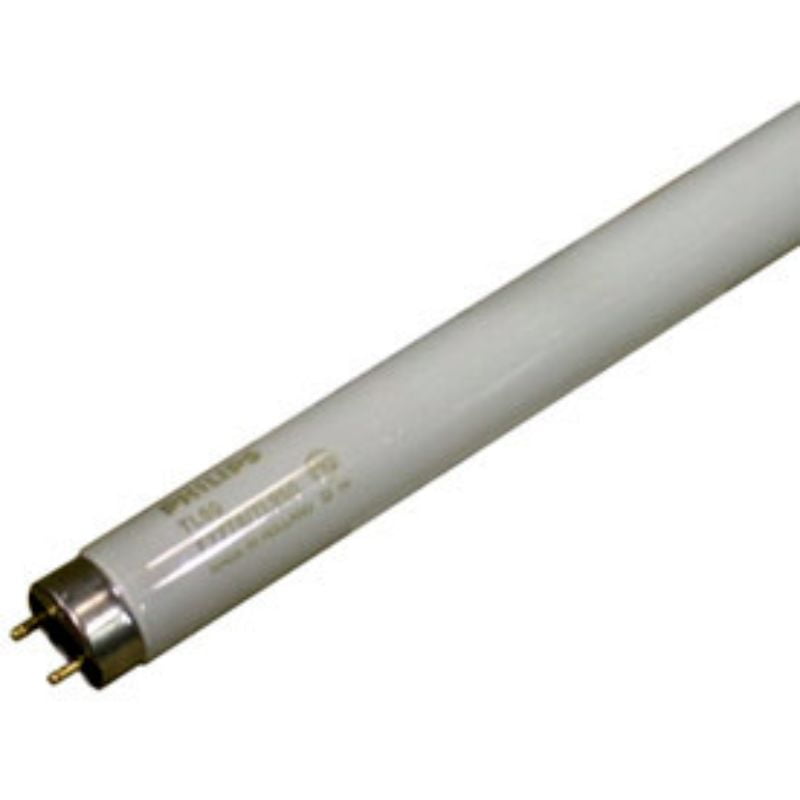
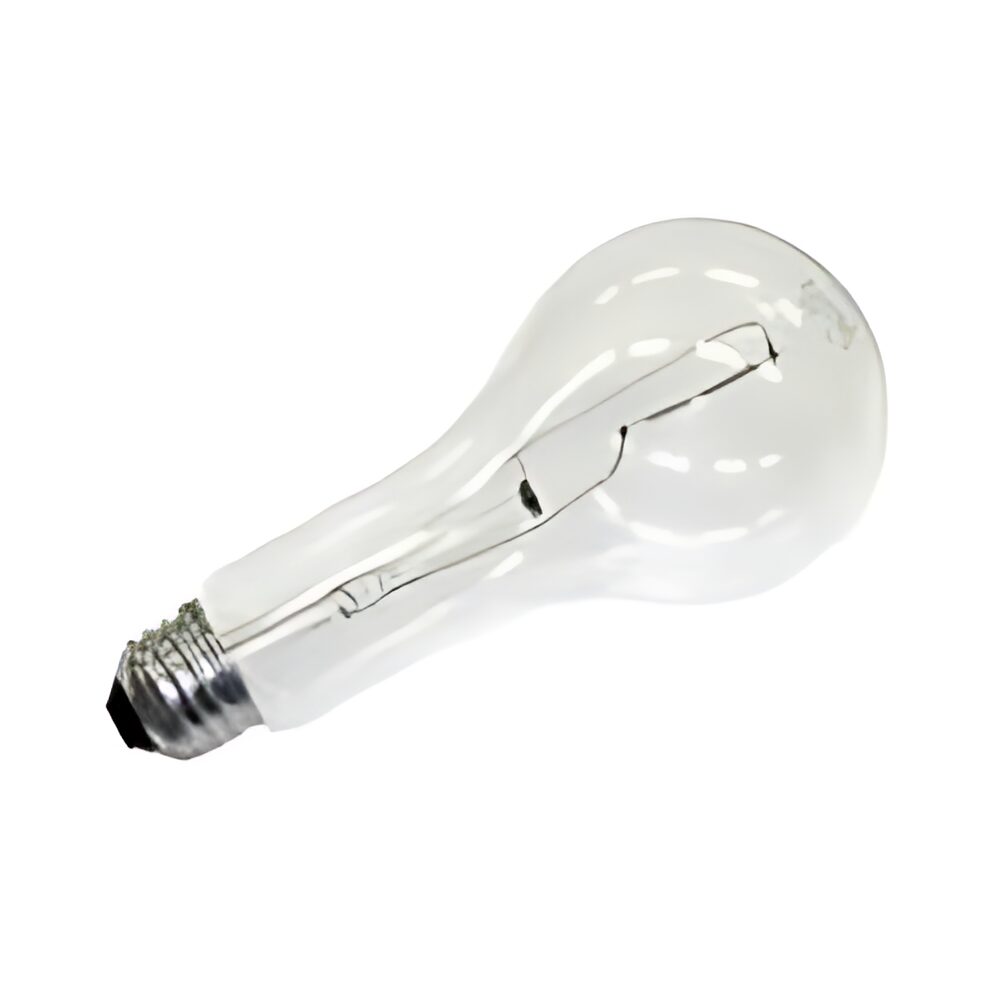
Match the Specifications: Always replace bulbs with identical technical ratings (e.g., color temperature matching 5000K–5100K to simulate natural daylight, and a high CRI rating).
Handle with Clean Gloves: If you are installing newer LED tubes or specialized fluorescent lamps, wear clean mechanics gloves. Oils from bare fingers can create hot spots on the bulb surface or attract fine dust once the booth warms up.
Price range: $418.00 through $835.00
Select options This product has multiple variants. The options may be chosen on the product page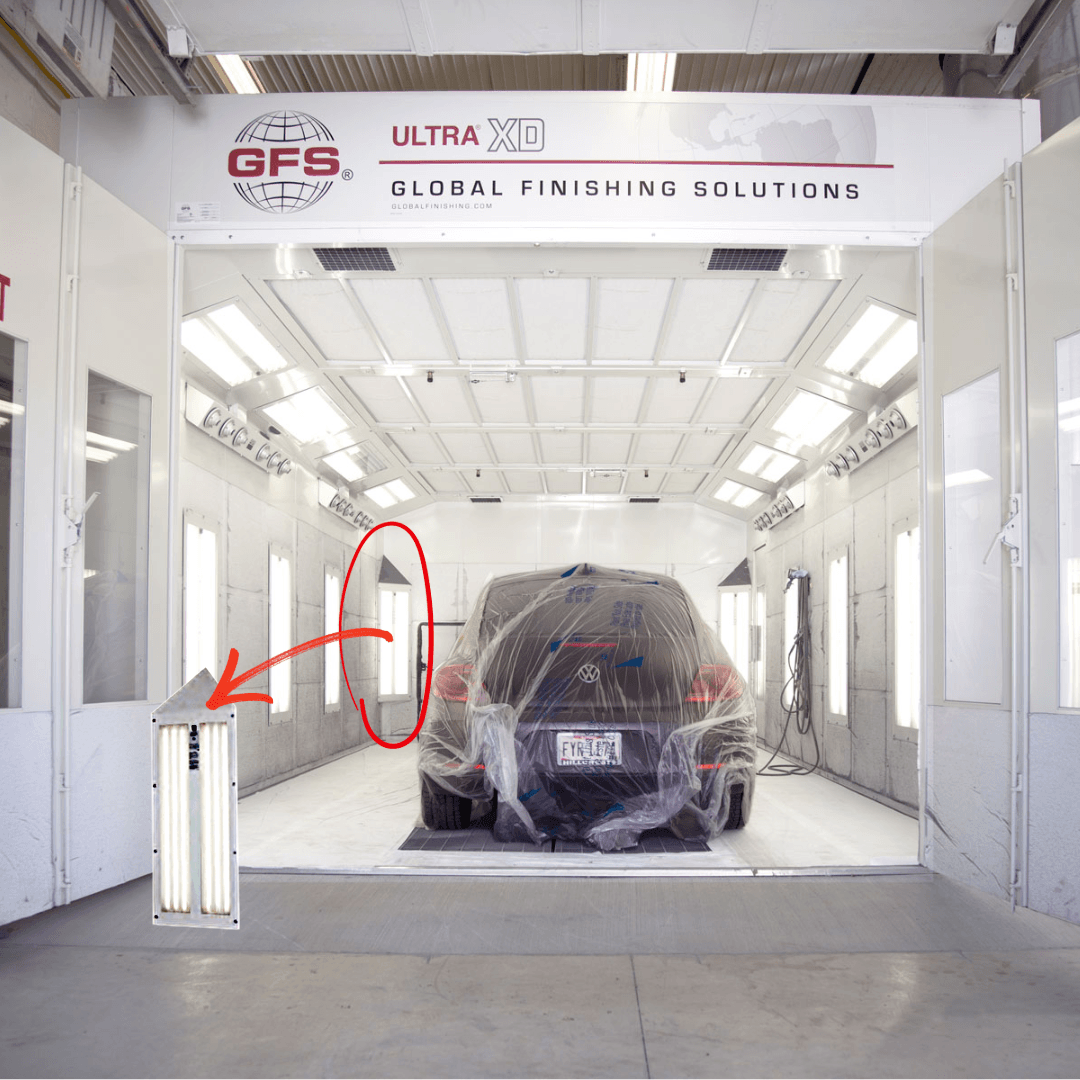
Price range: $670.00 through $949.00
Select options This product has multiple variants. The options may be chosen on the product page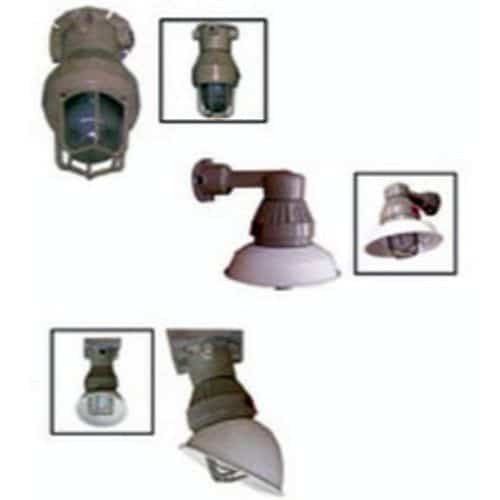
Price range: $135.00 through $1,689.00
Select options This product has multiple variants. The options may be chosen on the product page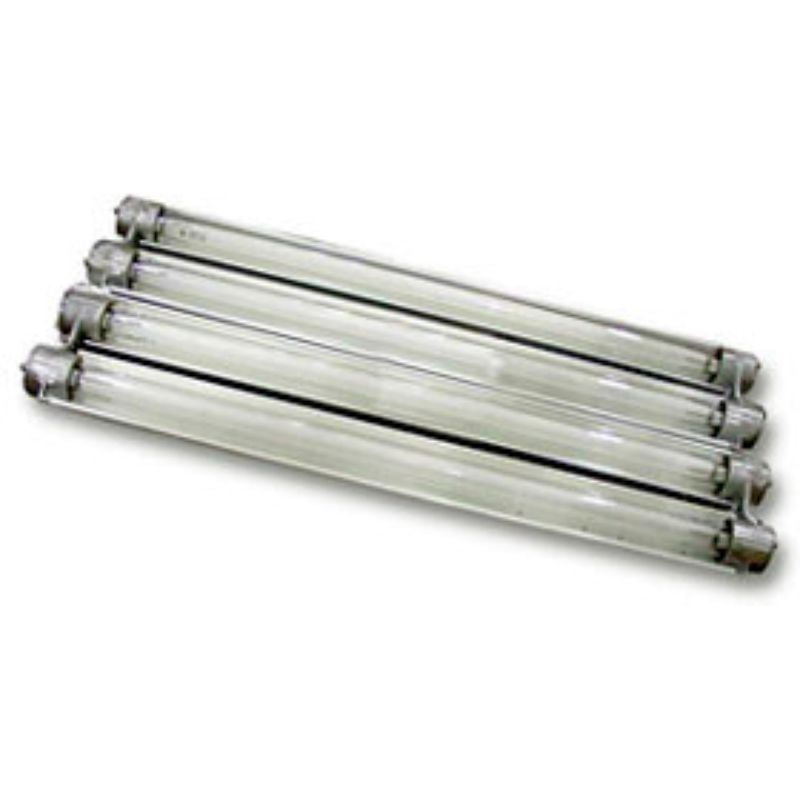
Price range: $2,039.00 through $5,459.00
Select options This product has multiple variants. The options may be chosen on the product page
Cleaning & Replacing Protective Lens Coverings
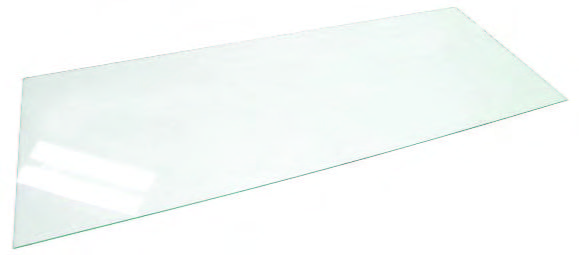
A clean bulb cannot illuminate a booth effectively if it is trapped behind a lens caked in dried paint overspray.
1. Routine Cleaning Protocols
Avoid Dry Wiping: Never dry-wipe a glass lens that is covered in overspray or dust, as this can scratch the surface and permanently diffuse the light.
Chemical Solvents: Use a manufacturer-approved solvent or glass cleaner to dissolve paint spots on tempered glass lenses. Ensure the booth is fully ventilated and the lights have cooled down completely before applying any flammable cleaners to the fixtures.
Non-Sparking Scrapers: For heavy baked-on deposits, use a plastic or brass razor blade to gently slice the paint away without scratching the glass.
2. Utilizing Lens Protectors (Prevention)
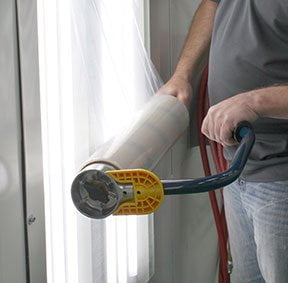
To eliminate the need for intense scraping, apply clear, flame-retardant peelable lens film or translucent booth tape directly over the clean glass surfaces.
As soon as the film becomes clouded with overspray, simply peel it off and apply a fresh layer. This keeps your light output at maximum efficiency with minimal labor.
3. Inspecting the Gaskets & Seals
When a lens is opened for cleaning or bulb replacement, inspect the perimeter rubber or foam gasket. If the gasket is compressed, torn, or brittle, it must be replaced immediately. A compromised gasket allows explosive solvent vapors to enter the electrical housing, invalidating the fixture’s safety rating.
Price range: $145.00 through $450.00
Select options This product has multiple variants. The options may be chosen on the product page