
A smooth-running exhaust fan is critical for maintaining consistent booth ventilation and protecting your mechanical components from premature failure. Excessive vibration isn’t just noisy—it stresses structural weldments, accelerates bearing wear, and can loosen fasteners across the entire booth housing. This diagnostic guide helps you systematically pinpoint and resolve the root causes of fan imbalance.
Step 1: Pre-Service Safety & Isolation
Before inspecting a vibrating fan assembly, you must completely eliminate the risk of mechanical movement:
Lockout/Tagout (LOTO): Shut off, padlock, and tag the main electrical disconnect switch for the exhaust fan motor at the control panel to ensure it cannot cycle during inspection.
Complete Stop: Wait for the fan blades to come to a total, physical standstill. Never attempt to slow or stop the fan shaft by hand.
Step 2: Diagnosing Common Root Causes
When a factory-balanced fan assembly begins to vibrate excessively, the issue typically traces back to one of three common industrial problems:
1. Material Accumulation and Fan Imbalance
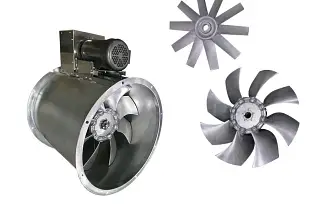
The most frequent cause of vibration in operating spray booths is uneven weight distribution on the rotating assembly.
The Check: Inspect both sides of every fan blade for uneven buildup of hardened paint overspray or structural debris.
The Correction: Even a minor weight variance between blades will destroy the factory balance under high-RPM operation. Use a non-sparking scraper (brass, aluminum, or plastic) to completely clean the blades, then vacuum out the loose debris with an explosion-proof vacuum.
2. Structural Fastener and Foundation Looseness
Vibration can be amplified or completely caused by components shifting or loosening over time due to normal operational harmonics.
The Check: Check the tightness of all structural fasteners, including:
Motor mounting bolts and adjustable base jackscrews.
Fan bearing pillow block mounting hardware.
Housing assembly bolts connecting the fan ring to the ductwork stack.
The fan hub set screws or taper-lock bushings securing the wheel to the shaft.
The Correction: Securely tighten any loose fasteners to factory specifications. If structural bolts frequently back out due to system harmonics, replace them with heavy-duty split lock washers or nylon-insert lock nuts.
3. Shipping, Handling, or Installation Distortion
If excessive vibration occurs immediately upon commissioning a new booth or installing a replacement fan component, it is often tied to structural distortion from shipping or handling.
The Check: Inspect the fan housing ring and duct transitions for signs of warping, denting, or rough handling during transit. A warped housing can pull the fan shaft out of true alignment or cause the blade tips to track unevenly relative to the shroud.
The Correction: Ensure the fan assembly is mounted completely square and level without being twisted or forced into misaligned ductwork joints, which induces mechanical stress on the bearing lines.
Step 3: Verifying the Correction
Once the blades are clean, fasteners are secured, and structural squareness is verified:
Clear the Area: Remove all tools, scrapers, and cleaning equipment from the interior of the ductwork and fan shroud.
Re-install Guards: Securely bolt the protective belt guard back into position over the pulleys.
Clear LOTO & Test: Restore power and cycle the exhaust fan. Monitor the system from a safe distance. The fan should start smoothly and operate without the heavy, rhythmic thrumming or structural shaking characteristic of an unbalanced assembly.
⚠️ CRITICAL REPAIR NOTE If the fan continues to vibrate heavily after you have thoroughly cleaned the blades, tightened all structural fasteners, and verified pulley alignment, the fan shaft may be bent, or the assembly may require professional dynamic re-balancing. Shut down the system immediately to prevent catastrophic bearing or blade failure.